Flash Review: The Three-Body Problem by Cixin Liu

Three Words: Dense, Intriguing, Sprawling
The worlds of physics, extraterrestrial invasion and virtual reality conjoin in this epic of modern Chinese SF. While overall the story was very engaging, I’m not gonna lie, guys: this book was tricky to get through at points. The science behind the potential extraterrestrial use of nanotechnology on this planet is painstakingly explored. Intriguing! But technical.

The main plot centers around a woman, Ye, who flees from the deadly Chinese Cultural Revolution and takes refuge in a research base devoted to contacting aliens. Meanwhile, in the present, a man named Wang enters a virtual reality game called Three Body and explores the mysterious culture presented there. I found these passages to be most fascinating. The seemingly mythical civilization of Three-Body hibernates during “Chaotic Eras” when the sun does not predictably rise or set, and revives during “Stable Eras” during which their civilization can advance. Figuring out what it all adds up to was a fun puzzle for this reader to put together.

One of the benefits of reading non-Western works in translation is seeing how authors of various backgrounds approach the form and format of storytelling. While this book may have been tough at times for my American sensibilities, I am planning on reading the next two books in this series. I was definitely drawn into the world of Three Body and am eager to return and see what happens with the Trisolarians we have contacted.
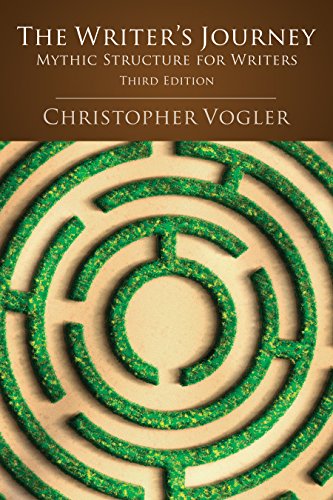
Flash Review: The Writer’s Journey by Christopher Vogler

Three words: Guidebook, Inspiring, Instructive

The guidebook that became a Hollywood storytelling bible is eminently useful for novelists as well! Based on Joseph Campbell’s Hero with a Thousand Faces model, Christopher Vogler expounds on the common tropes and beats that every aspiring storyteller should know and use. The archetypes covered include Hero, Mentor, Threshold Guardian, Herald, Shapeshifter, Shadow, Ally, and Trickster. If it all sounds very medieval, never fear. These types, or energies, appear across all genres and take many forms (hence the “thousand faces.”) As for story beats, Vogler covers it all from the Call to Adventure through Return with the Elixir. Here, too, “elixir” is more of an energy than an actual magical item. In fact, the pattern of the hero’s journey plays out in tales as disparate as Star Wars, The Wizard of Oz, Beverly Hills Cop, Titanic, and Pulp Fiction. Really any successful Hollywood movie adheres to this model. I would argue that at least understanding these rules is necessary before deliberately and mindfully breaking them in fiction. This study of form is by no means an invitation to write by formula. Rather it equips writers with the tools necessary to create an infinite number of successful and satisfying stories, if only they have the artistry to wield them.

Flash Review: Big Magic by Elizabeth Gilbert

Three words: Inspiration, Indispensable, Funny

It’s hard to overstate the importance this single book has had on my writing life. Elizabeth Gilbert explores the nature of creativity, impressing upon the reader-artist the need for showing up to work, for exploring curiosity, and relegating fear to the backseat. I return often to the story she tells of a friend’s little brother who misunderstood a party invitation and arrived at a Medieval costume ball in a French castle dressed as a lobster. Or how about the Indian man who painted his ox’s horns turquoise and hot pink? Her own father raised goats and started a Christmas tree farm simply because these things interested him, and he listened to that curiosity. My copy is so highlighted and dog-eared, I will surely invest in a fresh copy to read again. And again.

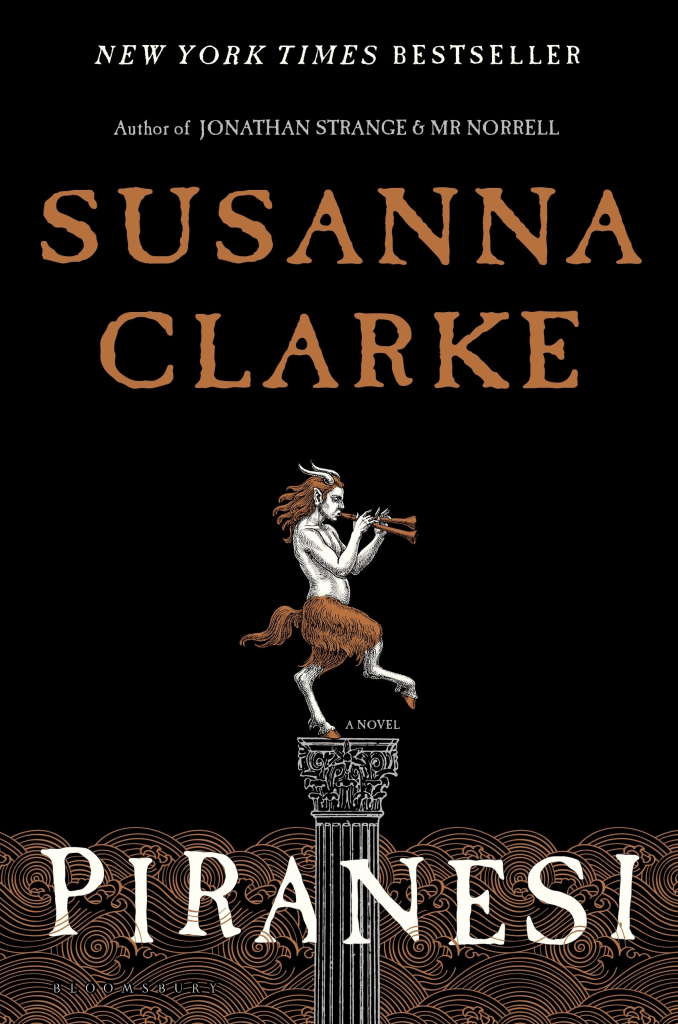
Flash Review: Piranesi by Susanna Clarke

Three words: Eerie, nightmarish, otherworldly

Like the waves that crash around and among the mysterious House the protagonist inhabits, I quickly realized that I needed to let the opening pages of Piranesi simply wash over me. I found myself trying hard at first to keep track of the internal geography of the house (the numbered halls, the statues), but Susanna Clarke does a masterful job of cluing the reader into the fact that more is at play than what the narrator describes. Who is this mysterious Other, and how to explain his mysterious disappearance and reappearance in the House? What is the “shining device” he carries with him? The reader’s trust in the author is not misplaced when, at last, all is revealed. Bonus points for the Magician’s Nephew tie-ins (in the C.S. Lewis classic, the eponymous magician’s full name is Andrew Ketterly, a surname that comes into play later in Piranesi.)